
12:15 PM - 1:00 PM

SS-31 , A Ground-Breaking Mitochondrial Rejuvenation Targeted Cardiolipin and Prevent Cytochrome C Related Damage

Presenter
Dr Zawawi Abdullah
Integrative Physician | Chelation Specialist | Founder, Impian Emas Medical Centre
Abstract of Topic
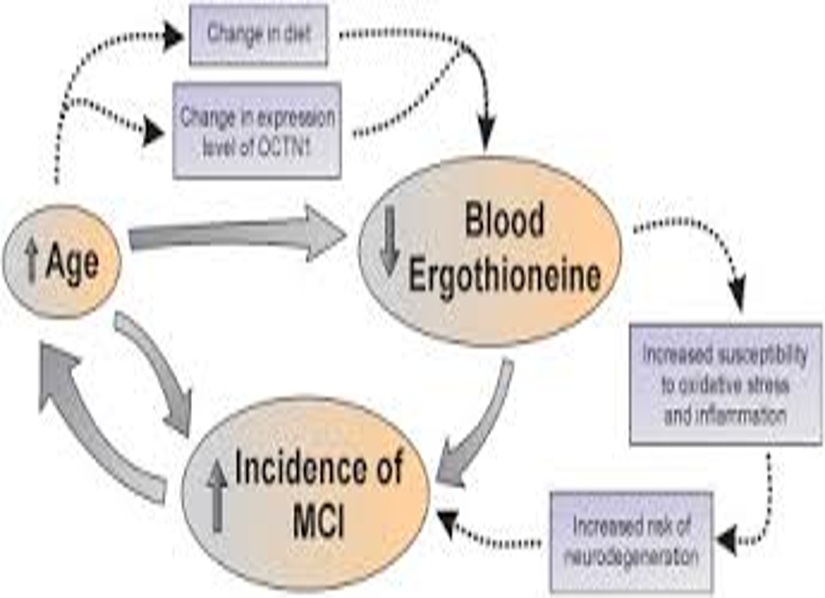
Ergothioneine (ET) is a naturally occurring amino acid derivative and a unique antioxidant synthesized only by certain fungi and bacteria.
It has garnered increasing scientific attention for its potential role in promoting healthy aging and preventing age-related diseases.
1. Unique Properties
-
Powerful Antioxidant:
Ergothioneine is a thiol-containing compound that neutralizes harmful reactive oxygen species (ROS) and reactive nitrogen species (RNS),protecting cells from oxidative stress—one of the primary drivers of aging and chronic disease. -
Cytoprotective Agent:
It safeguards mitochondria, DNA, and proteins from oxidative damage, helping maintain cellular integrity and function over time. -
Metal Chelator:
ET binds harmful metal ions like iron and copper, reducing metal-induced oxidative reactions.
2. Human Uptake & Distribution
-
ET Transporter (OCTN1/SLC22A4):
Humans possess a specific transporter for ergothioneine—SLC22A4—expressed in cells vulnerable to oxidative damage: brain, liver, kidneys,bone marrow, lungs, and immune cells. This suggests a conserved biological role for ET in cellular defense. -
Tissue Accumulation:
Ergothioneine accumulates in the body over time, acting like a “cellular longevity reservoir,” particularly in tissues prone to inflammationand degeneration.
3. Anti-Aging & Disease Prevention Potential
-
Neuroprotection:
ET may protect neurons from oxidative stress and neuroinflammation—key factors in cognitive decline, Alzheimer’s, and Parkinson’s disease. -
Cardiovascular Health:
It reduces endothelial dysfunction and protects against atherosclerosis, helping preserve vascular health. -
Mitochondrial Function:
ET improves mitochondrial efficiency, enhancing energy production and reducing age-related mitochondrial decline. -
Immune Regulation:
By modulating immune responses and reducing chronic inflammation (“inflammaging”), it supports balanced immune function.
4. Food Sources & Bioavailability
-
Richest Source: Mushrooms (especially shiitake, oyster, and king trumpet)
-
Others: Black beans, oat bran, and certain organ meats
-
Supplementation: Available as synthetic L-ergothioneine with high bioavailability and safety profile.
5. Scientific Validation
-
Longevity Link:
Epidemiological studies suggest higher plasma ergothioneine levels are associated with reduced incidence of chronic diseases and mortality. -
Safety Profile:
Recognized as safe (GRAS status by FDA); no known toxicity at dietary or supplemental levels. -
Ongoing Research:
Studies are exploring its role in aging, metabolic syndrome, eye health, fertility, and more.
Conclusion
Ergothioneine stands out as a “longevity vitamin”—not essential for immediate survival, but crucial for long-term healthspan.
Its antioxidant, anti-inflammatory, mitochondrial, and neuroprotective functions make it a compelling candidate in the science of healthy aging.