Abstract: Lipids, Lipid Subfractions, and Their Role in Clinical Medicine by Dr Satvinder Singh
Lipids play a fundamental role in human metabolism, cellular function, and disease pathology, particularly in cardiovascular and metabolic disorders. Traditional lipid profiling, which includes total cholesterol, low-density lipoprotein cholesterol (LDL-C), high-density lipoprotein cholesterol (HDL-C), and triglycerides, provides a basic assessment of lipid status. However, lipid subfraction analysis offers a more detailed and clinically relevant insight into cardiovascular risk, metabolic dysfunction, and treatment response.
Lipid subfractions, including small, dense LDL (sdLDL), large buoyant LDL, HDL2, HDL3, very low-density lipoproteins (VLDL), and lipoprotein(a) [Lp(a)], have distinct physiological and pathological implications. Small, dense LDL is highly atherogenic and associated with increased cardiovascular disease (CVD) risk, insulin resistance, and metabolic syndrome, whereas larger HDL subfractions are protective due to their role in reverse cholesterol transport. Elevated VLDL and remnant lipoproteins contribute to atherogenesis, while high Lp(a) levels are an independent risk factor for thrombosis and coronary artery disease.
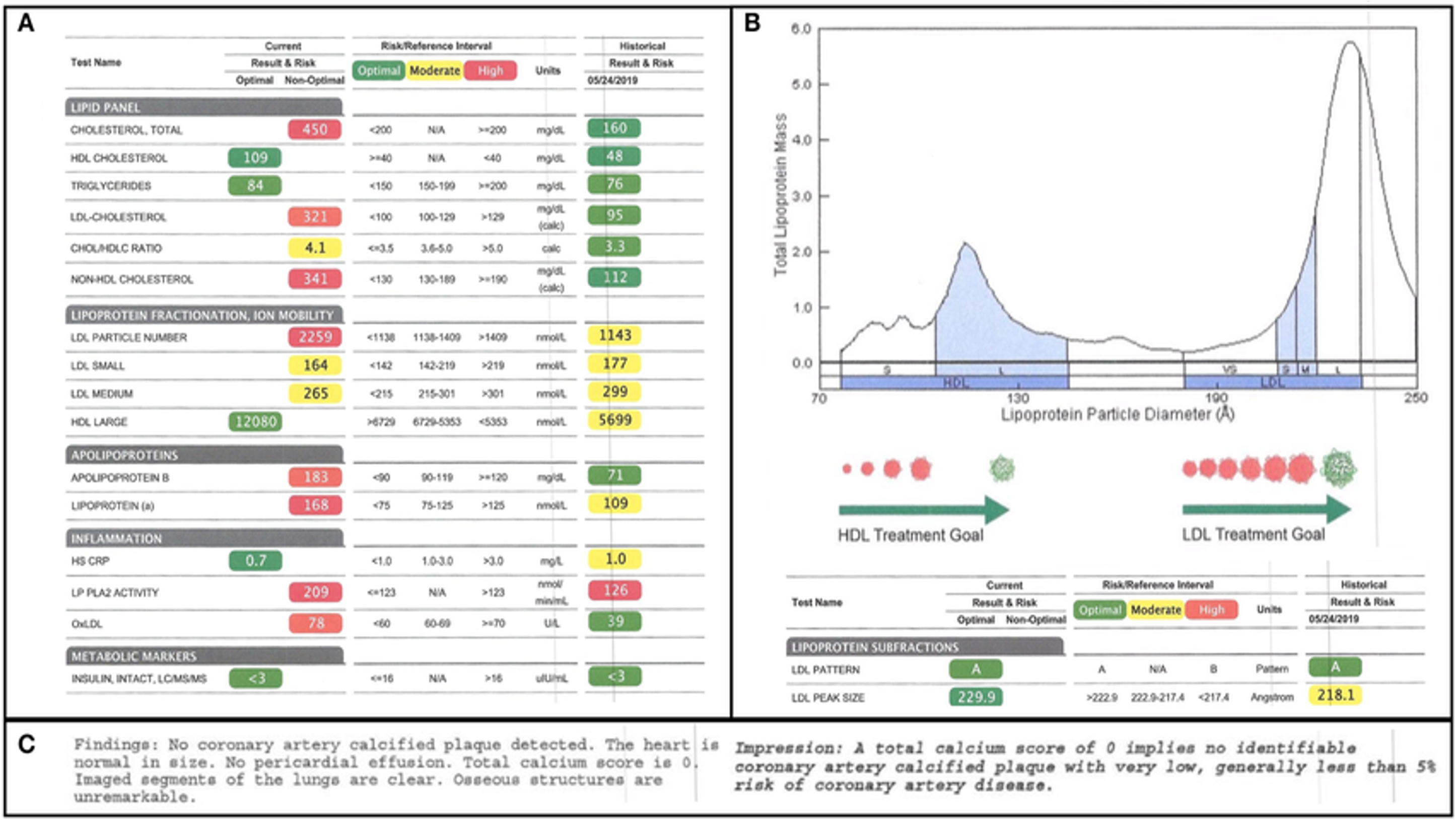
The clinical significance of lipid subfraction analysis lies in its ability to enhance risk stratification, personalize lipid-lowering therapies, and optimize cardiovascular prevention strategies. Advanced lipid testing techniques such as Nuclear Magnetic Resonance (NMR) spectroscopy, ion mobility analysis, and gradient gel electrophoresis allow for precise subfraction characterization, improving the management of high-risk individuals who may not exhibit abnormalities in standard lipid panels.
Incorporating lipid subfraction analysis into routine clinical practice enables a precision medicine approach to dyslipidemia, metabolic disorders, and cardiovascular risk reduction. As research advances, integrating lipidomics with genomics and metabolomics will further refine our understanding of lipid-related diseases, leading to novel therapeutic interventions.