Immunotherapy: Inducing Complete Remissions in Cancers with Hyperthermia
Dr. Kenny Yong Yean-Sirn, M.D. (U.W.O. CA), ABAARM (USA)
Overview:
This presentation outlines a novel integrative oncology approach leveraging hyperthermia and immunotherapy to achieve Relapse-Free Complete Remissions (RFCR) in cancer. It emphasizes the role of embryonic cancer stem cells (eCSCs) as a major driver of recurrence and resistance to conventional therapies.
Key Concepts:
- eCSCs: Pluripotent, treatment-resistant cells marked by NANOG, OCT4, SOX2 that evade chemotherapy and immunotherapy.
- Tumor Microenvironment: Lacks adequate heat shock protein repair, making cancer cells susceptible to hyperthermia-induced damage.
- Immune Evasion: Tumors suppress immune response via hidden antigens and checkpoint molecules.
Therapeutic Strategy:
- Liquid Biopsy + FACS: Identifies and isolates eCSCs.
- Genomic Profiling: Guides personalized therapies using chemo- and plant- derived compounds.
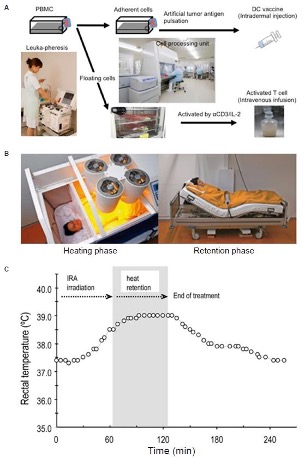
- Hyperthermia + Immunotherapy: Induces immunogenic cell death (ICD), enhances tumor antigen visibility, and boosts immune recognition.
- Checkpoint Inhibition + Cellular Therapy: Employs low-dose ICBs and NK cell replenishment.
- Low-Dose Radiotherapy (LDRT): Converts tumor sites into in-situ vaccines, triggering systemic immune responses (abscopal effect).
Results:
Clinical examples, including the landmark Emily Whitehead case, demonstrate that combining hyperthermia with immune checkpoint inhibitors, CAR-T therapy, and NK cell infusions can induce sustained cancer remission—even in late-stage or palliative cases.
Conclusion:
A five-pronged immunological strategy—immune priming, checkpoint inhibition, LDRT, therapeutic hyperthermia, and NK cell therapy—offers a promising, patient- friendly alternative to toxic conventional treatments. It shifts the paradigm toward immune-centered, vaccine-based cancer therapies aimed at lifelong immunity.
Take-Home Message:
Heat, hyperthermia, and fever are natural, physiological tools that can safely and effectively reactivate the immune system. Training the patient’s immune system to recognize and reject cancer is essential to achieving durable, relapse-free remissions.