
2:30 PM - 3:15 PM

Foundations of Orthopedic Medicine : Management of Musculoskeletal pain

Presenter
Dr Suhasish Ray
Orthopaedic and Spine Surgeon
Abstract of Topic
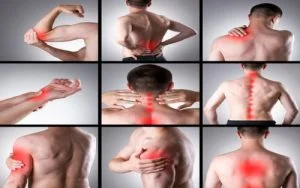
Foundations of Orthopedic Medicine: Management of Musculoskeletal Pain
Introduction:
Musculoskeletal (MSK) pain is among the most common causes of disability worldwide. It encompasses pain arising from muscles, bones, joints, tendons, ligaments, and associated structures. Orthopedic medicine focuses on the diagnosis, prevention, and non-surgical and surgical management of MSK conditions.
Key Principles in MSK Pain Management
Principle | Clinical Relevance |
|---|---|
Accurate Diagnosis | Requires a thorough history, physical exam, and selective use of imaging or functional diagnostics |
Multimodal Approach | Combines pharmacologic, physical, biomechanical, and regenerative strategies |
Functional Restoration | Focuses not only on pain relief but also on restoring strength, mobility, and quality of life |
Patient-Centered Care | Involves patient education, shared decision-making, and individualized treatment plans |
Common Causes of MSK Pain
Acute injuries: sprains, strains, fractures, tendon tears
Overuse syndromes: tendinopathies, bursitis
Degenerative conditions: osteoarthritis, disc degeneration
Inflammatory disorders: rheumatoid arthritis, spondyloarthropathies
Postural and biomechanical issues: myofascial pain, scoliosis
Neuromuscular imbalances: motor control dysfunction, muscle inhibition
Core Components of MSK Pain Management
1. Assessment & Diagnosis
Detailed MSK history
Functional physical examination
Imaging (X-rays, MRI, US)
Functional diagnostics (MSK ultrasound, gait/posture analysis)
2. Pharmacologic Therapies
NSAIDs, acetaminophen
Muscle relaxants
Topical agents
Adjuncts: antidepressants, anticonvulsants (for neuropathic pain)
3. Physical & Manual Therapy
Stretching, strengthening, myofascial release
Corrective exercises and postural re-education
Taping, dry needling, joint mobilization
4. Regenerative & Interventional Therapies
PRP, prolotherapy, stem cells (for soft tissue and joint repair)
Ultrasound-guided injections (e.g., corticosteroids, hyaluronic acid)
Nerve blocks or radiofrequency ablation for chronic pain
5. Integrative & Supportive Therapies
Nutritional interventions (anti-inflammatory diet, supplements like omega-3s, Vitamin D, magnesium)
Stress management: pain often has psycho-emotional overlays
Ergonomics and lifestyle modifications
6. Neurosensory & Central Modulation
Central sensitization plays a role in chronic MSK pain
Include desensitization therapies, CBT, mindfulness, or mirror therapy
Red Flags in MSK Pain (Require Urgent Referral)
Sudden severe pain with trauma
Neurological deficits (e.g., foot drop, cauda equina)
Signs of infection (fever, swelling, redness)
Unexplained weight loss, night pain (possible malignancy)
Conclusion:
Modern orthopedic medicine embraces a biopsychosocial and functional model. Effective management of musculoskeletal pain requires integrating diagnostics, personalized care, physical medicine, regenerative therapies, and patient education. It is essential for both surgical and non-surgical practitioners to embrace a whole-person, multidisciplinary approach to optimize recovery and prevent recurrence.