
2:45 PM - 3:30 PM

Effects of Dental Toxicity and how They Contribute to Systemic Diseases ; What you may have missed in your practice ?

Presenter
Dr Li-Chuan Chen
Scientist and Integrative Health Practitioner
Abstract of Topic
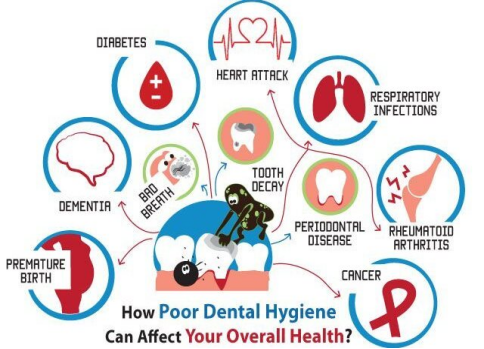
Effects of Dental Toxicity and How They Contribute to Systemic Diseases
Dental toxicity refers to the harmful impact of chronic infections, toxic dental materials, and oral inflammatory processes on overall health. Mounting evidence supports the link between oral health and systemic disease, with dental toxicity acting as a hidden trigger in many chronic and degenerative conditions.
Major Sources of Dental Toxicity
1. Mercury from Dental Amalgams
o Mercury vapor from silver fillings can accumulate in tissues and organs.
o Neurotoxic, nephrotoxic, and immune-disruptive.
2. Root Canal Infections
o Residual bacteria and their endotoxins in sealed canals can enter circulation.
o Can trigger chronic low-grade systemic inflammation.
3. Cavitations (Neuralgia-Inducing Cavitational Osteonecrosis – NICO)
o Ischemic bone lesions left after tooth extractions.
o Harbor anaerobic bacteria and release toxins that burden the immune system.
4. Periodontal Disease
o Chronic gum infections lead to systemic spread of inflammatory mediators.
o Associated with increased risk of cardiovascular, metabolic, and autoimmune diseases.
5. Fluoride and Other Chemical Exposure
o Chronic fluoride exposure from dental products may disrupt thyroid function and bone health.
Systemic Diseases Linked to Dental Toxicity
Systemic Condition | Dental Toxic Contribution |
Cardiovascular Disease | Periodontal pathogens promote atherosclerosis via endotoxins and cytokine release. |
Diabetes Mellitus | Bidirectional relationship with periodontal disease; chronic inflammation worsens insulin resistance. |
Autoimmune Disorders | Chronic immune activation due to persistent oral infections can trigger or exacerbate conditions like lupus, RA, and MS. |
Neurodegenerative Disorders | Mercury and other neurotoxins from amalgams may contribute to Alzheimer’s, Parkinson’s, and cognitive decline. |
Chronic Fatigue & Fibromyalgia | Hidden dental infections (e.g., cavitations) can contribute to mitochondrial dysfunction and systemic inflammation. |
Cancer | Chronic oral infections may serve as a source of pro-oncogenic inflammation and immune suppression. |
Mechanisms of Systemic Impact
Molecular Mimicry: Oral pathogens may resemble host tissues, leading to immune cross-reactivity.
Leaky Gum Syndrome: Damaged oral epithelium allows bacterial translocation into the bloodstream.
Biofilm Toxins: Persistent biofilms in dental structures continuously release biotoxins.
Neuroimmune Crosstalk: Toxins from teeth can travel via trigeminal pathways to the brain, affecting the limbic and autonomic systems.
Clinical Implications and Management
Comprehensive Oral Evaluation: Especially for patients with chronic, unexplained systemic illness.
Detoxification Protocols: For safe removal of amalgams and biotoxins.
Biological Dentistry Integration: Use of biocompatible materials and infection elimination.
Collaborative Approach: Functional and integrative practitioners working alongside biological dentists.
Conclusion:
Dental toxicity is a significant yet underrecognized contributor to systemic disease. Identifying and addressing toxic burdens from the oral cavity is vital in holistic and functional medicine for restoring optimal health and preventing chronic illnesses.